SEAFDEC/AQD Institutional Repository: Recent submissions
Now showing items 441-460 of 4221
-
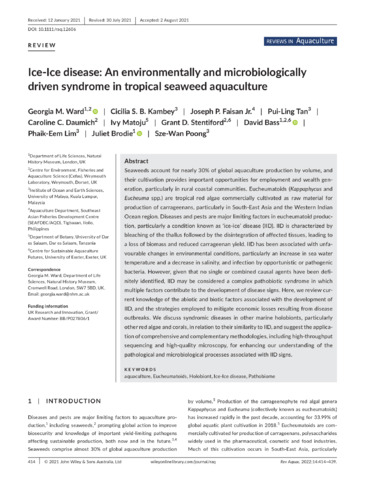
Ice-Ice disease: An environmentally and microbiologically driven syndrome in tropical seaweed aquaculture
; ; Faisan, Joseph P., Jr. ; ; ; ; ; ; ; ; (Wiley, 2022-01)
Seaweeds account for nearly 30% of global aquaculture production by volume, and their cultivation provides important opportunities for employment and wealth generation, particularly in rural coastal communities. Eucheumatoids (Kappaphycus and Eucheuma spp.) are tropical red algae commercially cultivated as raw material for production of carrageenans, particularly in South-East Asia and the Western Indian Ocean region. Diseases and pests are major limiting factors in eucheumatoid production, particularly a condition known as ‘ice-ice’ disease (IID). IID is characterized by bleaching of the thallus followed by the disintegration of affected tissues, leading to a loss of biomass and reduced carrageenan yield. IID has been associated with unfavourable changes in environmental conditions, particularly an increase in sea water temperature and a decrease in salinity, and infection by opportunistic or pathogenic bacteria. However, given that no single or combined causal agents have been definitely identified, IID may be considered a complex pathobiotic syndrome in which multiple factors contribute to the development of disease signs. Here, we review current knowledge of the abiotic and biotic factors associated with the development of IID, and the strategies employed to mitigate economic losses resulting from disease outbreaks. We discuss syndromic diseases in other marine holobionts, particularly other red algae and corals, in relation to their similarity to IID, and suggest the application of comprehensive and complementary methodologies, including high-throughput sequencing and high-quality microscopy, for enhancing our understanding of the pathological and microbiological processes associated with IID signs.
; ; ; ; ; ; ; ; (Wiley, 2022-01)
Seaweeds account for nearly 30% of global aquaculture production by volume, and their cultivation provides important opportunities for employment and wealth generation, particularly in rural coastal communities. Eucheumatoids (Kappaphycus and Eucheuma spp.) are tropical red algae commercially cultivated as raw material for production of carrageenans, particularly in South-East Asia and the Western Indian Ocean region. Diseases and pests are major limiting factors in eucheumatoid production, particularly a condition known as ‘ice-ice’ disease (IID). IID is characterized by bleaching of the thallus followed by the disintegration of affected tissues, leading to a loss of biomass and reduced carrageenan yield. IID has been associated with unfavourable changes in environmental conditions, particularly an increase in sea water temperature and a decrease in salinity, and infection by opportunistic or pathogenic bacteria. However, given that no single or combined causal agents have been definitely identified, IID may be considered a complex pathobiotic syndrome in which multiple factors contribute to the development of disease signs. Here, we review current knowledge of the abiotic and biotic factors associated with the development of IID, and the strategies employed to mitigate economic losses resulting from disease outbreaks. We discuss syndromic diseases in other marine holobionts, particularly other red algae and corals, in relation to their similarity to IID, and suggest the application of comprehensive and complementary methodologies, including high-throughput sequencing and high-quality microscopy, for enhancing our understanding of the pathological and microbiological processes associated with IID signs. -
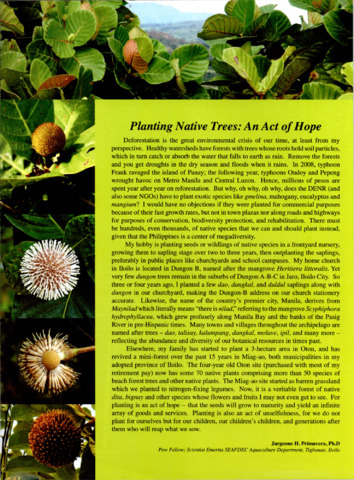
Planting native trees: An act of hope
Primavera, Jurgenne (Green Convergence for Safe Food, Healthy Environment and Sustainable Economy, 2012)
-
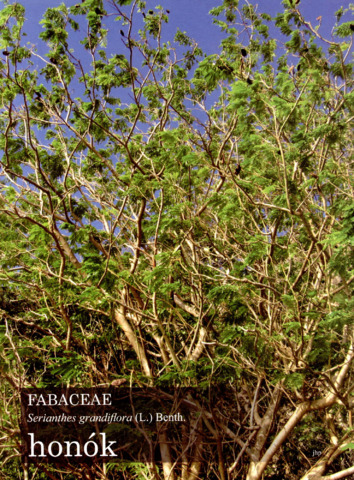
Fabaceae: Serianthes grandiflora (L.) Benth.: Honók
Primavera, Jurgenne (Green Convergence, 2018)
-
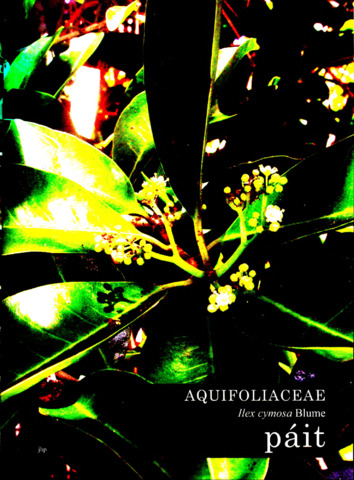
Aquifoliaceae: Ilex cymosa Blume: Páit
Primavera, Jurgenne (Green Convergence, 2018)
-
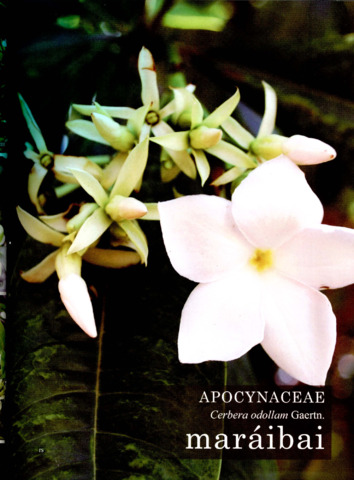
Apocynaceae: Cerbera odollam Gaertn.: Maráibai
Primavera, Jurgenne (Green Convergence, 2018)
-
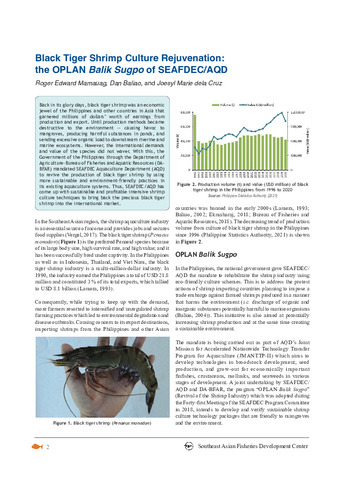
Black tiger shrimp culture rejuvenation: the OPLAN Balik Sugpo of SEAFDEC/AQD
Mamauag, Roger Edward; ; (Secretariat, Southeast Asian Fisheries Development Center, 2021)
Back in its glory days, black tiger shrimp was an economic jewel of the Philippines and other countries in Asia that garnered millions of dollars’ worth of earnings from production and export. Until production methods became destructive to the environment — causing havoc to mangroves, producing harmful substances in ponds, and sending excessive organic load to downstream riverine and marine ecosystems. However, the international demands and value of the species did not waver. With this, the Government of the Philippines through the Department of Agriculture-Bureau of Fisheries and Aquatic Resources (DABFAR) mandated SEAFDEC Aquaculture Department (AQD) to revive the production of black tiger shrimp by using more sustainable and environment-friendly practices in its existing aquaculture systems. Thus, SEAFDEC/AQD has come up with sustainable and profitable intensive shrimp culture techniques to bring back the precious black tiger shrimp into the international market. -
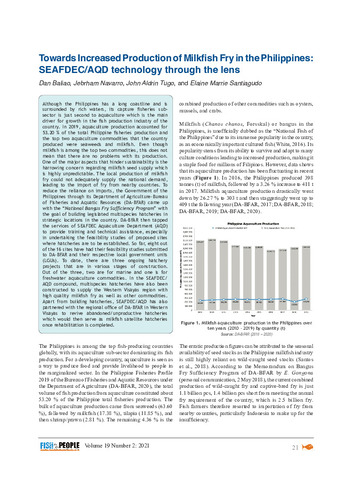
Towards increased production of milkfish fry in the Philippines: SEAFDEC/AQD technology through the lens
(Secretariat, Southeast Asian Fisheries Development Center, 2021)Although the Philippines has a long coastline and is surrounded by rich waters, its capture fisheries subsector is just second to aquaculture which is the main driver for growth in the fish production industry of the country. In 2019, aquaculture production accounted for 53.20 % of the total Philippine fisheries production and the top two aquaculture commodities that the country produced were seaweeds and milkfish. Even though milkfish is among the top two commodities, this does not mean that there are no problems with its production. One of the major aspects that hinder sustainability is the harrowing concern regarding milkfish seed supply which is highly unpredictable. The local production of milkfish fry could not adequately supply the national demand, leading to the import of fry from nearby countries. To reduce the reliance on imports, the Government of the Philippines through its Department of Agriculture-Bureau of Fisheries and Aquatic Resources (DA-BFAR) came up with the “National Bangus Fry Sufficiency Program” with the goal of building legislated multispecies hatcheries in strategic locations in the country. DA-BFAR then tapped the services of SEAFDEC Aquaculture Department (AQD) to provide training and technical assistance, especially in undertaking the feasibility studies of proposed sites where hatcheries are to be established. So far, eight out of the 16 sites have had their feasibility studies submitted to DA-BFAR and their respective local government units (LGUs). To date, there are three ongoing hatchery projects that are in various stages of construction. Out of the three, two are for marine and one is for freshwater aquaculture commodities. In the SEAFDEC/AQD compound, multispecies hatcheries have also been constructed to supply the Western Visayas region with high quality milkfish fry as well as other commodities. Apart from building hatcheries, SEAFDEC/AQD has also partnered with the regional office of DA-BFAR in Western Visayas to revive abandoned/unproductive hatcheries which would then serve as milkfish satellite hatcheries once rehabilitation is completed. -
"Katunggan it Ibajay" Mangrove Ecopark: A dream come true
Primavera, Jurgenne (Green Convergence for Safe Food, Healthy Environment and Sustainable Economy, 2012)
-
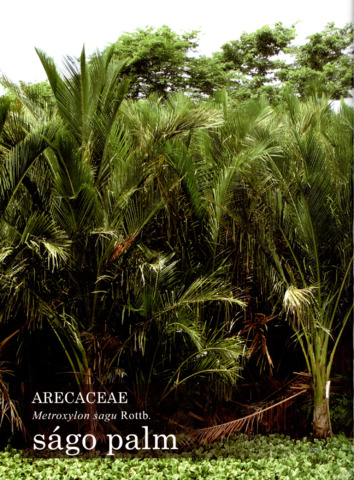
Arecaceae: Metroxylon sagu Rottb.: Ságo palm
Primavera, Jurgenne (Green Convergence, 2018)
-
Performance, digestibility efficiencies, gut and liver morphologies of snub nose pompano Trachinotus blochii fed spray‐dried haemoglobin meal as protein substitute for fishmeal
Mamauag, Roger Edward; ; (Wiley, 2021-07-12)
Spray-dried haemoglobin meal, a by-product and derivative of the swine processing industry, is formed when haemoglobin is separated hygienically from pig's blood. A 120-days feeding trial using snub nose pompano Trachinotus blochii (1.01 ± 0.02 g) tested spray-dried haemoglobin meal (SHM) as an ingredient in six iso-nitrogenous (crude protein of 50%) and iso-lipidic (crude fat of 8%) diets, namely, a diet with 0% SHM (control) and five diets replacing fishmeal with SHM at 4, 8, 12, 16 and 20%. Weight gain percentage (WG%) significantly decreased (p < 0.05) when fish were fed diets with 12, 16 and 20% SHM inclusion levels. Feed conversion ratio and survival significantly decreased (p < 0.05) when fish were fed diets with 16 and 20% SHM inclusion levels. However, visceral somatic index, hepatosomatic index, condition factor and proximate composition were not affected (p > 0.05) by SHM inclusion levels. As an ingredient for pompano feed, SHM has digestibilities for protein, lipid and dry matter at 89, 78 and 45% respectively. No apparent pathological changes were observed in the intestines. However, physiological changes in the liver have been seen in fish fed diets containing 12, 16 and 20% of SHM. Based on the quadratic regression model at the maximum response of weight gain percentage, the optimum inclusion level of SHM was estimated to be 3.08% (5.87% SHM protein in the diet). -
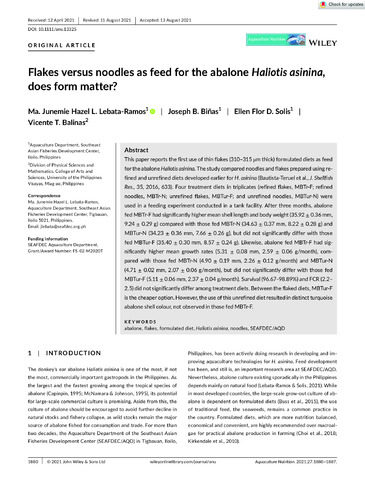
Flakes versus noodles as feed for the abalone Haliotis asinina, does form matter?
Lebata-Ramos, Ma. Junemie Hazel; ; ; (Wiley, 2021-12)
This paper reports the first use of thin flakes (310–315 μm thick) formulated diets as feed for the abalone Haliotis asinina. The study compared noodles and flakes prepared using refined and unrefined diets developed earlier for H. asinina (Bautista-Teruel et al., J. Shellfish Res., 35, 2016, 633). Four treatment diets in triplicates (refined flakes, MBTr-F; refined noodles, MBTr-N; unrefined flakes, MBTur-F; and unrefined noodles, MBTur-N) were used in a feeding experiment conducted in a tank facility. After three months, abalone fed MBTr-F had significantly higher mean shell length and body weight (35.92 ± 0.36 mm, 9.24 ± 0.29 g) compared with those fed MBTr-N (34.63 ± 0.37 mm, 8.22 ± 0.28 g) and MBTur-N (34.23 ± 0.36 mm, 7.66 ± 0.26 g), but did not significantly differ with those fed MBTur-F (35.40 ± 0.30 mm, 8.57 ± 0.24 g). Likewise, abalone fed MBTr-F had significantly higher mean growth rates (5.31 ± 0.08 mm, 2.59 ± 0.06 g/month), compared with those fed MBTr-N (4.90 ± 0.19 mm, 2.26 ± 0.12 g/month) and MBTur-N (4.71 ± 0.02 mm, 2.07 ± 0.06 g/month), but did not significantly differ with those fed MBTur-F (5.11 ± 0.06 mm, 2.37 ± 0.04 g/month). Survival (96.67–98.89%) and FCR (2.2–2.5) did not significantly differ among treatment diets. Between the flaked diets, MBTur-F is the cheaper option. However, the use of this unrefined diet resulted in distinct turquoise abalone shell colour, not observed in those fed MBTr-F. -
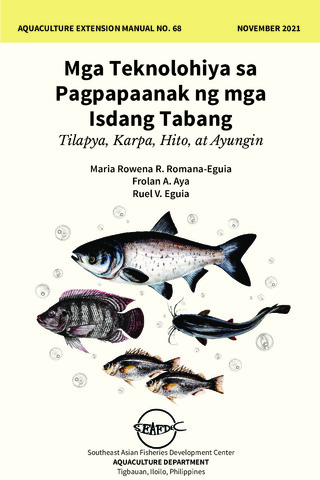
Series: Aquaculture extension manual; No. 68
Mga teknolohiya sa pagpapaanak ng mga isdang tabang: Tilapya, karpa, hito, at ayungin
Romana-Eguia, Maria Rowena R.Ang babasahing ito ay isinulat upang ipamahagi sa mga mambabasa ang simpleng kaalaman sa pagpapaanak at pagpaparami ng mga isdang tabang tulad ng tilapya, karpa, hito, at ayungin. Ang mga teknolohiyang may kinalaman sa ...; Aya, Frolan ; (Aquaculture Department, Southeast Asian Fisheries Development Center, 2021-08)
-
Biyah diin in pagparagan sin pagtanuman agal agal iban pag'ayad ha pag' urulan sin kabuhi: Binhi atawa tanumun agal agal, manga mangangaun iban kumakangii' iban sakit, manga anib atawa makamula' iban biyah diin in pagpahilunnah sin anib atawa piligru ha pagtanum agal agal
; Faisan, Joseph P., Jr.In buwk-buwk pahati ini nahinang iban kiyasulat paglabay upat tahun ha pagsaliksik ha pag’usaha agal agal ha Pilipinas hinang sin tumpukan sin GlobalSeaweedSTAR Philippine ha bitsara kahatihan sin kamatauran. Makatagama ...; Sibonga, Rema ; ; ; ; (United Kingdom Research and Innovation-Global Challenge Research Fund (UKRI-GCRF), 2021-03)
-
Pagdumala sa uma sa guso ug mga lakang para sa bayo-sekuridad: Semilya, mga peste ug sakit-sakit, mga risgo ug pagdumala niini
; Faisan, Joseph P., Jr.Gisulat kining brosyur matapos ang upat ka tuig nga panukiduki sa ‘GlobalSeaweedSTAR Philippine Team’ sa industriya sa guso sa Pilipinas gamit ang simple nga sinultian nga daling masabtan sa mga layko. Kini magahatag ug ...; Sibonga, Rema ; ; ; ; (United Kingdom Research and Innovation-Global Challenge Research Fund (UKRI-GCRF), 2021-03)
-
Pangangasiwa sa taniman at mga hakbang pangbayo-sekyuridad para sa Eucheumatoids: Mga kultibar, peste at sakit, mga risgo o peligro at mga paraan sa pangasiwaan nito
; Faisan, Joseph P., Jr.Ang polyeto na ito ay inihanda at isinulat ng GlobalSeaweedSTAR Philippine Team sa payak na lengwahe matapos ang apat na taong pananaliksik sa industriya ng pag-aalaga ng mga halamang-dagat sa Pilipinas. Nais nito na ...; Sibonga, Rema ; ; ; ; (United Kingdom Research and Innovation-Global Challenge Research Fund (UKRI-GCRF), 2021-03)
-
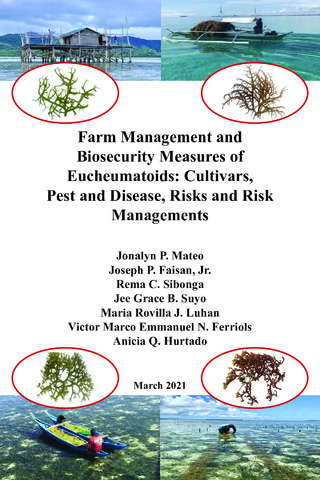
Farm management and biosecurity measures of Eucheumatoids: Cultivars, pest and disease, risks and risk managements
; Faisan, Joseph P., Jr.This brochure was prepared and written after four years of research of the seaweed industry of the Philippines by the GlobalSeaweedSTAR Philippine Team in a layman’s language. This provides the different stakeholders of ...; Sibonga, Rema ; ; ; ; (United Kingdom Research and Innovation-Global Challenge Research Fund (UKRI-GCRF), 2021-03)
-
Comparative transcriptome profiling of heat stress response of the mangrove crab Scylla serrata across sites of varying climate profiles
Shrestha, Anish; ; ; Romana-Eguia, Maria Rowena R. ; (BioMed Central, 2021)
Background: The fishery and aquaculture of the widely distributed mangrove crab Scylla serrata is a steadily growing, high-value, global industry. Climate change poses a risk to this industry as temperature elevations are expected to threaten the mangrove crab habitat and the supply of mangrove crab juveniles from the wild. It is therefore important to understand the genomic and molecular basis of how mangrove crab populations from sites with different climate profiles respond to heat stress. Towards this, we performed RNA-seq on the gill tissue of S. serrata individuals sampled from 3 sites (Cagayan, Bicol, and Bataan) in the Philippines, under normal and heat-stressed conditions. To compare the transcriptome expression profiles, we designed a 2-factor generalized linear model containing interaction terms, which allowed us to simultaneously analyze within-site response to heat-stress and across-site differences in the response. Results: We present the first ever transcriptome assembly of S. serrata obtained from a data set containing 66 Gbases of cleaned RNA-seq reads. With lowly-expressed and short contigs excluded, the assembly contains roughly 17,000 genes with an N50 length of 2,366 bp. Our assembly contains many almost full-length transcripts – 5229 shrimp and 3049 fruit fly proteins have alignments that cover >80% of their sequence lengths to a contig. Differential expression analysis found population-specific differences in heat-stress response. Within-site analysis of heat-stress response showed 177, 755, and 221 differentially expressed (DE) genes in the Cagayan, Bataan, and Bicol group, respectively. Across-site analysis showed that between Cagayan and Bataan, there were 389 genes associated with 48 signaling and stress-response pathways, for which there was an effect of site in the response to heat; and between Cagayan and Bicol, there were 101 such genes affecting 8 pathways. Conclusion: In light of previous work on climate profiling and on population genetics of marine species in the Philippines, our findings suggest that the variation in thermal response among populations might be derived from acclimatory plasticity due to pre-exposure to extreme temperature variations or from population structure shaped by connectivity which leads to adaptive genetic differences among populations. -
Extension and training programs in support of tilapia farming in the Philippines
(Philippine Council for Agriculture, Forestry and Natural Resources Research and Development, 1987)The Bureau of Fisheries and Aquatic Resources (BFAR), now a staff bureau of the Department of Agriculture (DA), is an agency mandated to look after the national development and management of the fishing industry. It constantly demonstrated its sensitivity towards the attainment of improving the lot of poor fish farmers and fishermen in the countryside. Fisheries, as a major sector of agriculture is expected to push the country s Economic Recovery Program and must be developed to realize its potential contribution. This sector contributed 4.7% at current prices to the Gross National Product (GNP) and 5.0% on constant prices in 1985. The fishing industry directly employs an estimated one million fishfarmers and fishermen. Indirectly, the industry provides employment to household members who are engaged in allied fisheries industries like fish processing, net making, boat building, ice plant and cold storage operation, fish handling, marketing and fish distribution. -
Handling and processing of tilapia
(Philippine Council for Agriculture, Forestry and Natural Resources Research and Development, 1987)Tilapia is a very promising aquaculture species with the development of the aquaculture industry. The commercial value of tilapia varies greatly with size in certain countries like Israel and Africa. In Southeast Asia, size is not an important factor; the market price varies regionally. Although tilapia could compare favorably with other aquaculture products, its flesh being very high in quality, some consumers have a strong objection to its dark skin. Nonetheless, tilapia is currently one of the most important fish crops in most countries of the world. With the improvement of aquaculture technology, tilapia is now grown in fish cages, fishponds and other inland waters. There is no doubt that this has helped increase the production of the aquaculture sector to the total fish production by over 20% in 1983. The 1984 production of tilapia in fish cages was 7,070 kg; for inland fisheries, the production was 22,295 kg; and in fishponds, 10,508 kg. This gave a total value of P485,653 (BFAR Statistics 1981). With appropriate processing technology, tilapia can be manufactured into various products both for human consumption and as feed ingredients which will help increase its commercial value. Tilapia which are too small for human consumption should not be wasted. These can be converted into feed ingredients for livestock feeds or used as baits in commercial fishing. In developing countries like the Philippines where there is an immediate need for protein source, tilapia could be readily available due to subsistence and commercial-scale culture of this fish. -
Marketability of tilapia in Metro Manila
(Philippine Council for Agriculture, Forestry and Natural Resources Research and Development, 1987)The Nile tilapia (Tilapia nilotica) is now accepted in Metro Manila market. The past ten years have shown an increasing trend in the marketability of tilapia. From a price of P5.00 per kilo in 1976, tilapia is now selling at P15.00 per kilo, more or less. The volume of production of this particular fish has increased during the last ten years. The increase in price and volume is very indicative of the acceptability of tilapia in the market. There is no doubt that this fish, when properly cultured, is now considered a quality fish, like milkfish.