Books: Recent submissions
121-140 / 142
-
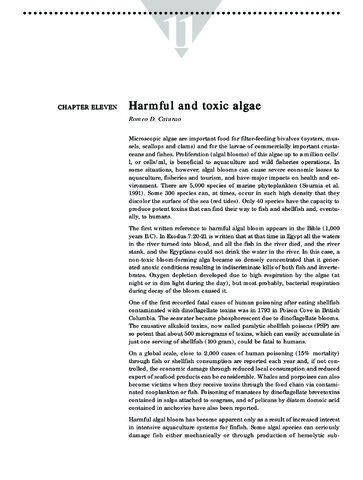
Harmful and toxic algae
(Aquaculture Department, Southeast Asian Fisheries Development Center, 2001)The chapter provides basic facts about harmful and toxic algae. It also discusses the conditions that stimulate their occurrence, different types of harmful and toxic algal blooms and their effects to fish and marine environment. The different strategies in coping with the problem of harmful and toxic algal blooms are also discussed. -
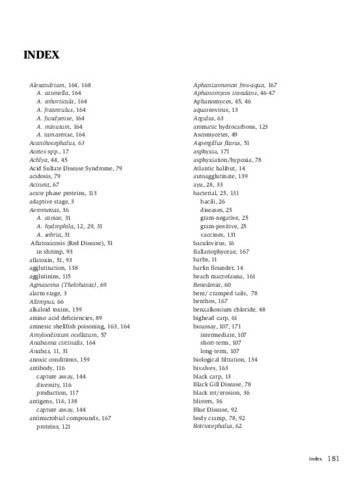
Health Management in Aquaculture: Index
(Aquaculture Department, Southeast Asian Fisheries Development Center, 2001) -
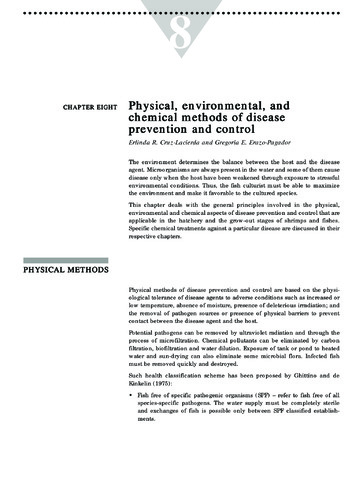
Physical, environmental, and chemical methods of disease prevention and control
(Aquaculture Department, Southeast Asian Fisheries Development Center, 2001)Disease prevention is primary and cost-effective method in fish health management. It is more effective and economical than attempting to stop a disease that has already set in the recommendations given above will greatly reduce the possibility of disease outbreak. -
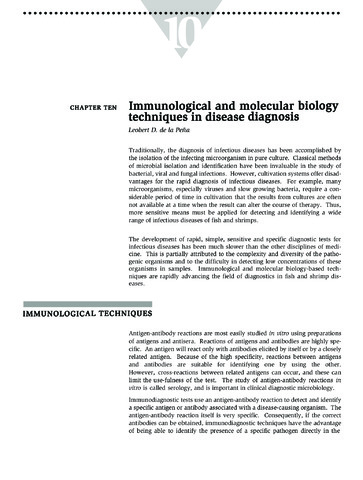
Immunological and molecular biology techniques in disease diagnosis
(Aquaculture Department, Southeast Asian Fisheries Development Center, 2001)The improvement of existing immunoassay techniques, development of monoclonal antibody technology and the development of new immunoassay approaches are all working together to provide new tools for the detection of disease-causing organisms in fish and crustaceans. Following the introduction of nucleic acid hybridization technique and PCR, it was recognized that the methods offered a sensitive approach to the detection and identification of specific microorganisms as in the case of a bacterial or viral infection in a variety of sample types. Potentially, a characteristic DNA sequence from a single virus particle or cell of a particular organism can be amplified to detectable levels within a short period of time. Conventional diagnostic methods that involve the culture of microorganisms can take days or weeks to complete or very tedious to perform. PCR offers a rapid, very sensitive, very specific and simple alternative. Further developments in immunodiagnostics and emerging technologies such as DNA-based tests will revolutionize the detection and identification of infectious disease agents. -
Immunity and biological methods of disease prevention and control
(Aquaculture Department, Southeast Asian Fisheries Development Center, 2001)The chapter deals with the barriers that prevent microbial entry and the various internal defense mechanisms that are part of the host's arsenal in combating in combating invading microbes. It also discusses some of the biological methods of disease prevention and control. -
Parasitic diseases and pests
(Aquaculture Department, Southeast Asian Fisheries Development Center, 2001)A wide variety of parasites have been identified as causing significant economic losses in fish and shrimp culture. Most of these parasites are difficult to control effectively with a single measure. The control of parasites is dependent on culture systems of the host fish, knowledge of the life cycle of the parasite, and the availability of effective treatment methods. -
Nutritional diseases
(Aquaculture Department, Southeast Asian Fisheries Development Center, 2001)Diagnosis of nutritional diseases is difficult because many signs exhibited by fish are non-specific and most nutritional deficiencies are hard to define. A compilation of data on feed composition and feeding management, as well as husbandry practices, are needed to define a case. Most of data on fish and shrimp nutritional diseases were gathered under experimental conditions. Under farm conditions, most of that definition would be clouded with errors in husbandry practices or secondary infection. Therefore, attempts to diagnose nutritional diseases should be carefully done using every available technique to define the case. -
Environmental and other non-infectious diseases
(Aquaculture Department, Southeast Asian Fisheries Development Center, 2001)The chapter presents some of the environmental non-infectious diseases of aquatic animals. Non-infectious diseases are caused by adverse environmental conditions, nutritional disorders, or genetic defects. While they can result a sudden mass mortality or death, they are not contagious. Environmental diseases are the most important in aquaculture. This includes low dissolved oxygen, high ammonia, high nitrite, or natural or man-made toxins in the aquatic environment. -
Bacterial diseases
Tendencia, Eleonor ; (Aquaculture Department, Southeast Asian Fisheries Development Center, 2001)
Fish and crustaceans that are not weakened by poor environmental conditions, or by other causes, such as parasitic infestation, nutritional deficiency, handling stress, or chemical intoxication, are more resistant to bacterial infections. This is due to the presence of a large amount of bactericidal substances in the blood, which helps overcome infections. So, the best precaution against the occurrence of bacterial infections is to provide the fish with optimum environmental conditions, adequate amounts of the right kinds of food and avoidance of stress, including overcrowding. Vaccination/ immunization and genetic manipulation (i.e., the development of specific pathogen resistant fry) are also some ways of preventing bacterial diseases. The use of antibiotics should always be an option of the last resort.
; (Aquaculture Department, Southeast Asian Fisheries Development Center, 2001)
Fish and crustaceans that are not weakened by poor environmental conditions, or by other causes, such as parasitic infestation, nutritional deficiency, handling stress, or chemical intoxication, are more resistant to bacterial infections. This is due to the presence of a large amount of bactericidal substances in the blood, which helps overcome infections. So, the best precaution against the occurrence of bacterial infections is to provide the fish with optimum environmental conditions, adequate amounts of the right kinds of food and avoidance of stress, including overcrowding. Vaccination/ immunization and genetic manipulation (i.e., the development of specific pathogen resistant fry) are also some ways of preventing bacterial diseases. The use of antibiotics should always be an option of the last resort. -
Fungal diseases
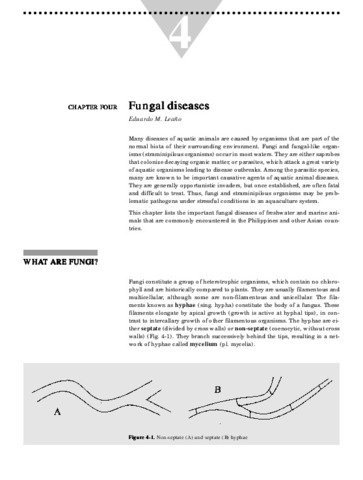
(Aquaculture Department, Southeast Asian Fisheries Development Center, 2001)Over the past 20 years, aquatic animal mycopathogens have become the focus of considerable research. The many known occurrences of fungal diseases in wild populations and the documented devastating disease outbreaks indicate that fungal and fungal-like pathogens are important in nature. Fungal diseases can act as major limitations on natural and cultured populations of aquatic animals. However, knowledge on fungal diseases is rudimentary consisting primarily of the identification and pathology of etiological agents. Detection of fungal infections relies only on the observation of gross pathology, histological examinations, and standard mycological isolation and identification procedures. As a result, there are some cases where the implicated fungal pathogen cannot be demonstrated as the primary cause of a particular disease. In such cases, the fungal pathogen is usually regarded as secondary invader. Continued research in basic mycology is still an essential resource for fish pathologists in diagnosing diseases caused by fungi. Although fungi reportedly affect very few species, fungal diseases, if not properly controlled or prevented, can still pose a threat to the aquaculture industry. -
Viral diseases
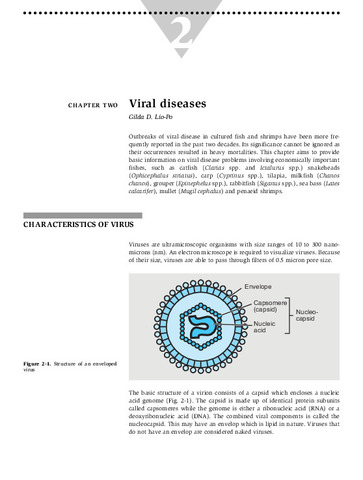
(Aquaculture Department, Southeast Asian Fisheries Development Center, 2001)Outbreaks of viral infections can cause massive mortalities among cultured fishes or shrimps. Water temperature and age of the fish or shrimps are significant factors that influence the development of viral infections. Most fish viral infections occur at low water temperatures, hence, very few viral infections among fishes in warm water culture systems are reported. In addition, most viral infections occur among fry or fingerlings often causing severe mortalities, while older fish or shrimp develop resistance or are hardly affected. Stress from handling, poor water quality, high stocking density and poor nutrition also affect the severity of viral infections. Finally, aquaculturists should beware in importing non-indigenous fish or shrimps into the country as these are potential carriers of viral pathogens. -
Disease development
(Aquaculture Department, Southeast Asian Fisheries Development Center, 2001)Disease occurrence is one of the biggest deterrents to sustainable production in aquaculture. It is therefore important to enhance awareness among various sectors of the importance of health management in the aquaculture industry. This can be done through education and information dissemination. Students in fisheries and veterinary medicine need to have adequate background information on the aquatic animal disease and health management to understand the problems and needs of a fast-growing aquaculture industry. Recognizing disease signs early and using mortality pattern as a clue to the disease agent involved will not only make diagnosis easier, but it will also prevent massive losses by timely implementation of remedial measures. -
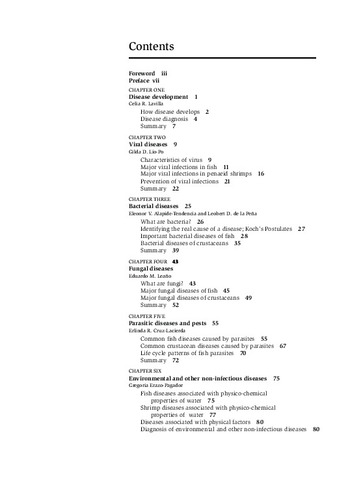
Health Management in Aquaculture: Table of contents
(Aquaculture Department, Southeast Asian Fisheries Development Center, 2001) -
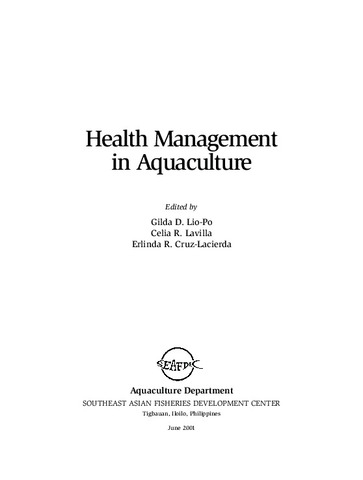
Health Management in Aquaculture: Preliminary pages
(Aquaculture Department, Southeast Asian Fisheries Development Center, 2001) -
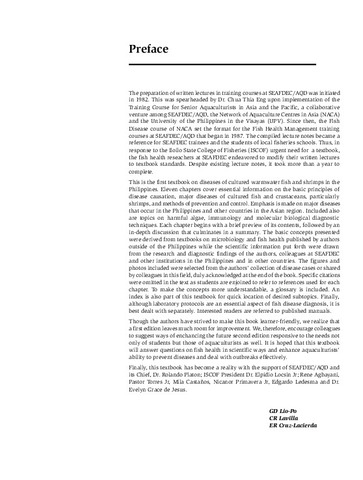
Health Management in Aquaculture: Preface
(Aquaculture Department, Southeast Asian Fisheries Development Center, 2001) -
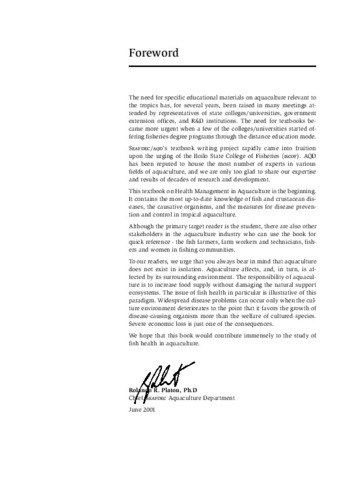
Health Management in Aquaculture: Foreword
(Aquaculture Department, Southeast Asian Fisheries Development Center, 2001) -
Series: SAFIS manual; No. 22
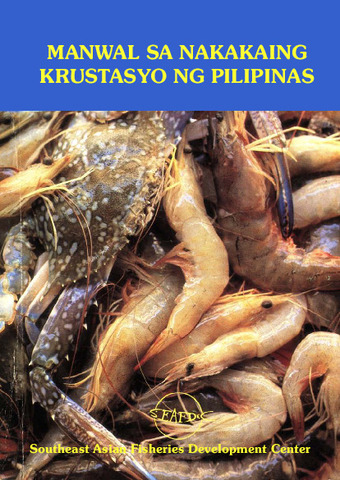
Manwal sa nakakaing krustasyo ng Pilipinas
(Aquaculture Department, Southeast Asian Fisheries Development Center, 1986)Text in Filipino. -
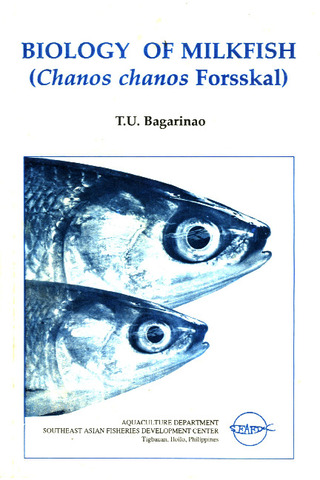
Biology of milkfish (Chanos chanos Forsskal)
Bagarinao, Teodora (Aquaculture Department, Southeast Asian Fisheries Development Center, 1991)
An up-to-date account is given of the biology of milkfish (Chanos chanos) under the following chapter headings: Species identity and history; geographic distribution and variation; life history and habitat; food and feeding habits; age, growth and mortality; reproduction; behavior; environmental physiology; and, community relationships. -
Research and development for sustainable aquaculture in Southeast Asia : SEAFDEC Aquaculture Department strategic plans 2009-2012
(Aquaculture Department, Southeast Asian Fisheries Development Center, 2009)Outlines the strategic plans of the SEAFDEC/AQD for the years 2009 to 2012. In it, the new mission statement is presented as well as the goals, objectives, and targets of its various research, training, information dissemination, and administrative thrusts. -
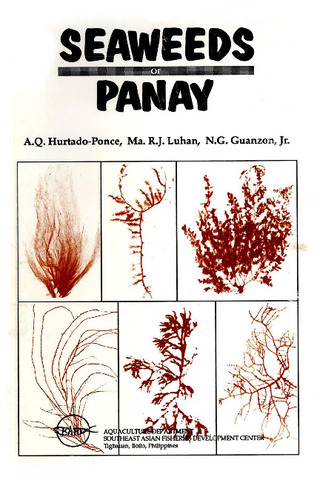
Seaweeds of Panay
(Aquaculture Department, Southeast Asian Fisheries Development Center, 1992)This practical book on the seaweeds of Panay, Philippines, acquaints and provides information to members of the academe and research institutions, policy makers, fishermen and businessmen regarding the taxonomy, distribution, ecology and economic importance of these resources. It consists of 4 major parts: (1) Introduction, which reviews the literature, habitat, distribution, morphological structure and reproduction; 2) Classification, which describes the classes to which the seaweeds generally belong; 3) Collection and preservation, which explains the procedure used in treatment of specimens; and, 4) Taxonomic list. A glossary is included, covering technical terms used. All species listed and described in this book are macrobenthic and were collected in Panay and Guimaras Islands.